Lilla Mason Is New MFH at Iroquois
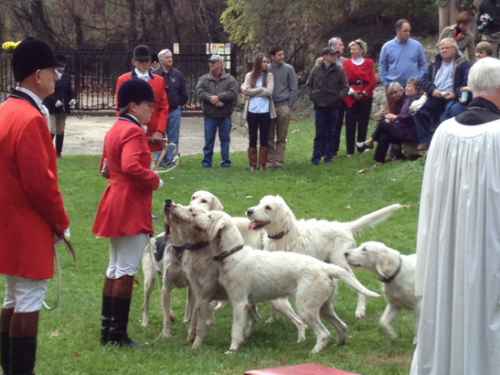
Huntsman Lilla Mason joins Dr. Jack Van Nagell (left) and Jerry Miller (behind Lilla) as Joint-MFH of the Iroquois Hunt (KY) / Glenye Cain Oakford photo
It’s gratifying when sportsmen and women whom you have long known and respected are elevated to loftier positions in their hunts. Lilla Mason, former whipper-in, currently huntsman, has been named MFH at the Iroquois Hunt in Lexington, Kentucky.
Lilla is a soft-spoken and thoughtful woman who has earned her way by performing superbly at every stage of her foxhunting career with Iroquois. The first time I hunted with Lilla was in 1998, she was whipping-in to Jerry Miller, MFH at the time, and I had been invited to ride up with her.
As we headed out she turned in the saddle and said, “Be careful in this piece of country. You could get stuck in a bog.”
Melvin Poe Celebrates 93rd Birthday; Hunts Hounds
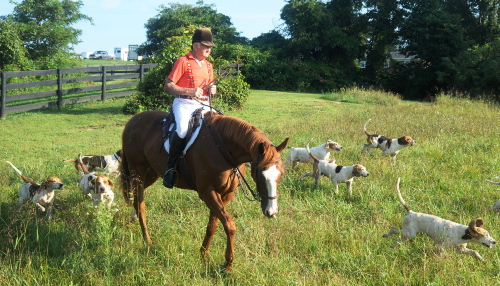
Betsy Burke Parker photo
World-renowned huntsman Melvin Poe celebrated his 93rd birthday Sunday, August 25 by doing what only comes natural to the living legend—going foxhunting. Riding his favorite hunter and surrounded by Peggy, his wife of some fifty years, his four daughters, a bevy of grandchildren, neighbors, and friends, Melvin handled the horn and the reins with the cool confidence of a man one-quarter his age at what had to be a historic hunt.
“I can’t believe he’s still going strong,” said Charlie Matheson, former president of the Orange County Hounds where Melvin served as huntsman some three decades. “He’s an amazing man. We’re so lucky to have him.”
To the New Hunting Season
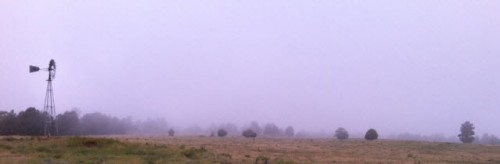
The midsummer fog slips unwillingly down the valley walls and deepens as it sinks into the valley floor, leaving fingers of lingering shreds in the recesses, and wisps on the branches of trees.
Much like its liquid counterpart, it flows around obstacles in its path, and moving objects leave a wake through the waves of opaqueness. So moves the fox in his daily routine, luxurious brush swaying back and forth in time with the lazy trot that carries him along, leaving his scent wafting backward in the liquid air.
In the kennel, the breeze carrying the ripples of scented air tickles the noses of the resting hounds, yanking them to their feet and sending aloft a chorus of protesting bays as they bounce along the kennel fence, begging to be set free to find the source of the scent-laden waft.
On the hill, the grazing horses lift their heads and gaze toward the kennel, knowing that hounds do not speak lightly but announce the presence of only important things. Seeing no immediate threat, they return to grazing but move closer together, ears flicking back and forth, seeking further information.
AKC English Foxhound Standard Needs Updating
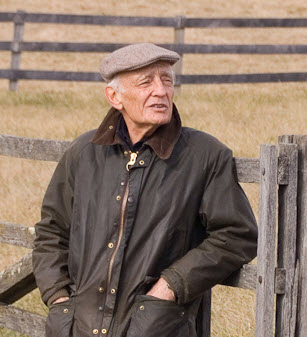
It’s a shame that there exists a disconnect between AKC foxhound standards and those of the foxhunting community. Not that foxhunters need be concerned with AKC foxhound standards. The Masters of Foxhounds Associations in this country and in England maintain their own breed registries, and both registries are orders of magnitude larger than the AKC foxhound registry.
One would think, though, that the AKC should be more than a little interested in what foxhunters are breeding. After all, foxhunters are the ones using foxhounds for the purpose for which they were originally bred.
To look at the AKC standard for the English foxhound is to be stuck in a time warp of more than fifty years. According to a recent article by Ann Roth in DogChannel.com, the AKC breed standard for the English Foxhound was composed more than fifty years ago by foxhunters.
I’m not certain just which foxhunters the AKC was talking to fifty years ago, but I don’t believe the English foxhound photo accompanying Roth’s article or the English foxhound painting found on the AKC website would have been models for any pack of that time, here or in England. They are more reminiscent of the so-called Shorthorn era in England, a period between the mid-nineteenth and the early twentieth centuries, when fashionable foxhounds of the time were criticized for resembling Shorthorn cattle.
Sir Alfred Munnings In Open Air
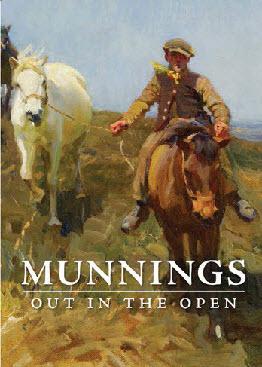
We have all admired the paintings of Sir Alfred Munnings and his portrayal of the horse in motion—flowing, graceful, muscles rippling, indescribably beautiful. Not to mention his figures of elegant ladies riding sidesaddle and his scarlet-coated huntsmen. Lovely paintings, but being unfamiliar with the artist as a man, I saw them in only two dimensions.
Then the National Sporting Library and Museum (NSLM) in Middleburg, Virginia mounted this once-in-a-lifetime exhibit of almost seventy Munnings paintings with revealing descriptions of each work, and the man came to life for me. And learning about the man brought the paintings to life.
One of the elegant ladies riding sidesaddle is Munnings’ first wife, a troubled soul who attempted suicide on her wedding night. This part of Munnings’ story is told in Jonathan Smith’s fascinating book, Summer in February, just released as a motion picture. Other paintings of lady and horse are of his second wife. Looking at the paintings of these two women with my new-found knowledge, the differences in mood and tension were there to see.
Horse Slaughter to Resume in the U.S.
The U.S. Department of Agriculture (USDA) has finally given the go-ahead for resumption of the regulated slaughter of horses once again in this country as predicted in our report of March 9, 2013. This turn-around on the part of the government is in response to a reputable study showing that the welfare of horses was harmed by Congressional legislation that closed slaughter plants here.
Animal rights groups will now pressure Congress and the White House for more misguided legislation. Your opinions need to be expressed. Click here to learn how.
Most media news articles reporting the recent USDA action have approached the story from the horsemeat angle. The sensitivity of many in this country to the use of horses for human consumption is a powerfully emotional issue, and such headlines sell newspapers. However, what the media mostly ignore in this story is that the Government Accounting Office (GAO), Congress’s independent investigative arm, bluntly reported to Congress in 2011, that horse welfare had been harmed by their legislation that resulted in the closing of all horse processing plants in this country.
A Dream Fulfilled
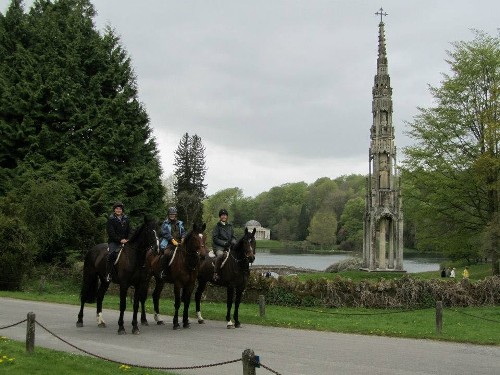
(l-r) Megan, Deb, and Marti
The inspiration for this trip happened quite by accident. While traveling with cousins in the southwestern part of England in May of 2012 , we happened to stop for a Sunday roast at the pub in the tiny hamlet of Highclere Castle, the home of the wonderful television series, Downton Abbey.
We had missed, by a day, a trail ride on the grounds of the castle. My cousin Marti and I have taken many riding trips and are always looking for a new adventure. We began to dream of a trip in England where we would ride in some of the places that we had read about all of our lives in English novels but had never seen. As we visited the Exmoor and the Dartmoor, the haunts of wild ponies and the characters of Daphne du Maurier, we became more excited. We did not, however, have any idea how to accomplish our vision.
Covertside: The Complete Set
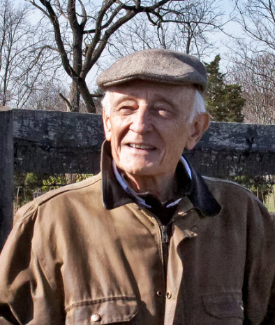
Karen Myers photoA private party, unrelated to Foxhunting Life, has contacted us to offer for sale a complete set of Covertside publications starting with the very first—a four-page newsletter dated May 1994—up to the Spring, 2013 issue. At four issues a year (just three the first year), that computes to seventy-six issues. We will happily […]
Foxhunting in North America: A Brief History
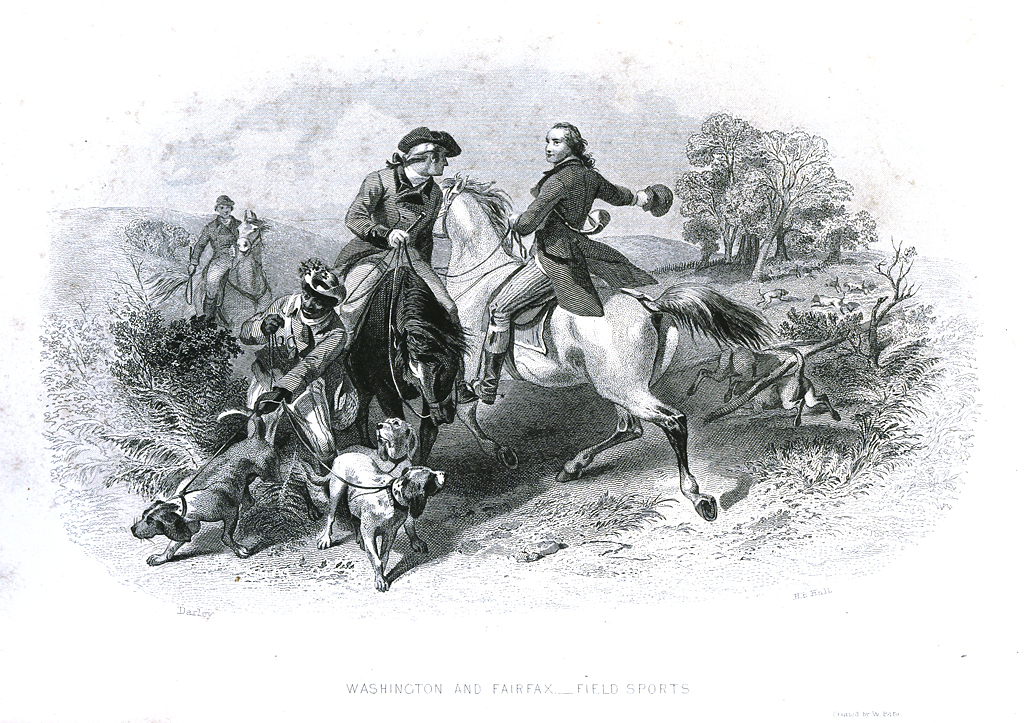
Here is a concise history of foxhunting in North America from the seventeenth to the twentieth century, tracing the sport from its Colonial beginnings to organized foxhunting as we know it today. The work constitutes part of the first chapter in A Centennial View, published by the MFHA to commemorate the hundredth anniversary of the establishment of the Association.
George Washington and Lord Fairfax hunting in the Shenandoah Valley
Hunting in the Colonies (1600s to 1775)
If you were a second son to a family of landed gentry living in the English countryside during the seventeenth or eighteenth century, you would have found your prospects considerably dimmer than those of your elder brother. Precluded, through the laws of primogeniture, from inheriting your father’s estate, you might have been tempted by land grants offered by the Colonial governors of Maryland or Virginia to emigrate, settle in the New World, and make your fortune there.
If you had an adventurous soul, you might have packed up your family, children, furniture, and, of course, a few of your foxhounds, and embarked on the voyage. Along with those tangible items, you would have brought your rural culture and a hunting heritage to these Provinces. By carrying on your habitual pursuits, you would make Maryland and Virginia the cradle of North American foxhunting.
From Horses to Hounds: Following the Seasons
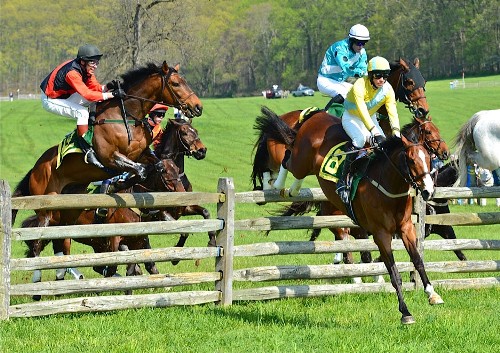
Professor Maxwell lands cleanly at fence 3 of the Maryland Hunt Cup. / Douglas Lees photo The hunt point-to-points are over, and Foxhunting Life ends its season’s coverage with a report on the Maryland Hunt Cup. We report on these races because they are foxhunting-related; amateur riders compete, and many of these racehorses also serve […]