
This Week In…
…Hunt Reports Chasing Thrills in Aotearoa: My Day with the Waitemata Hunt in New Zealand Kristy Lathrop’s New Zealand adventure with a harrier pack and lots of wire. Robert’s Irish Yoga Tour Last spring Kelly Wengerd and others from Goshen Hounds took a southern tour of hunt clubs to celebrate Robert Taylor, MFH and Huntsman, […]
Article Ads (1)
Hunt Attire: No Single Truth
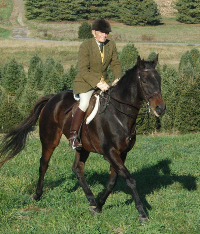
Traditional foxhunting attire is important to me, but I’m not a fanatic.
Why is it important? Respect…for three hundred years of sport, art, literature, and the men and women who had the passion, energy, and intellect to formulate and leave us one of the most exhilarating activities known to man. For these reasons it pains me to see the concepts of appropriate attire ignored in many hunting fields today.
The Story of John Peel
One night in 1829, John Woodcock Graves sat in his parlor with John Peel, a farmer, horse dealer, and foxhunter whose hounds were highly celebrated by the local sheep farmers. From the adjoining room, Graves overheard his son’s granny singing an ancient Irish melody to the child. Graves took that old melody and wrote a new set of lyrics to honor his friend, John Peel.
The Andean Fox and the Puma
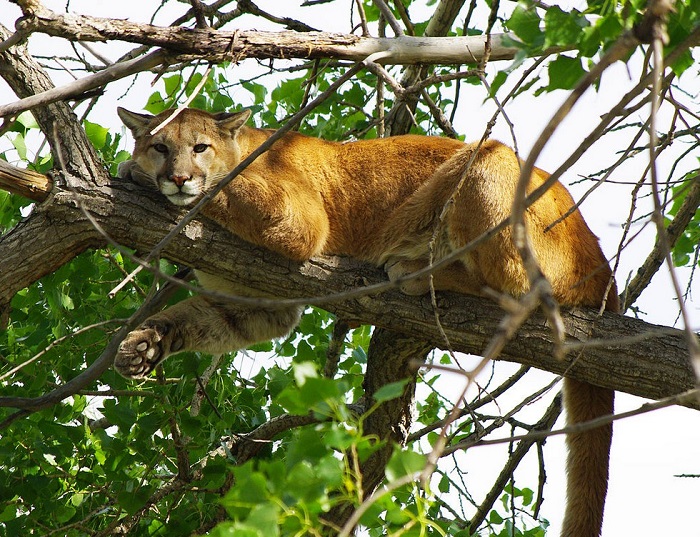
The puma (mountain lion, cougar), fourth largest species in the cat family, typically weighing a hundred or more pounds, coexists with the only other top predator in the Andes, the Andean fox at nineteen pounds.
Many hunts in North America during my hunting lifetime—just fifty years…a brief period in the scheme of thing—have migrated by necessity from foxhunting to virtually all coyote hunting.
Many of these hunts, whether by the size and nature of their countries or their long foxhunting traditions, would prefer to continue hunting the fox as opposed to the coyote. Conventional wisdom suggests that because the coyote and the fox compete for the same diet, the coyote will kill the foxes upon arrival in his new country or drive the fox away. This is certainly true in many areas and has been noted with dismay. But can the coyote and the fox somehow coexist?
Foxhunting in North America: A Brief History
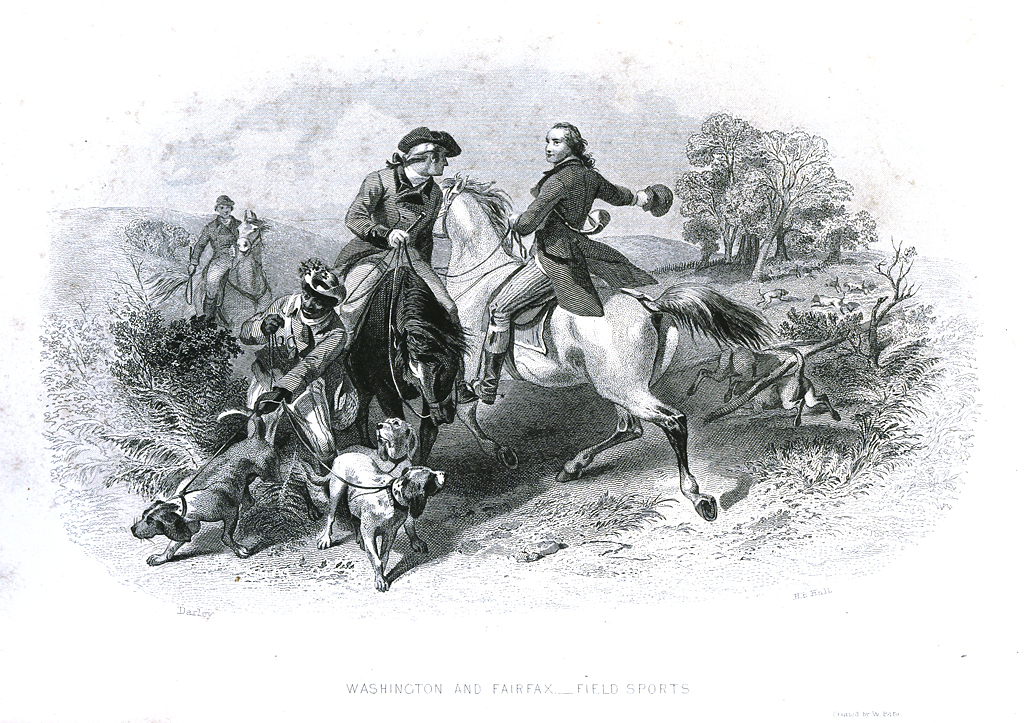
Here is a concise history of foxhunting in North America from the seventeenth to the twentieth century, tracing the sport from its Colonial beginnings to organized foxhunting as we know it today. The work constitutes part of the first chapter in A Centennial View, published by the MFHA to commemorate the hundredth anniversary of the establishment of the Association.
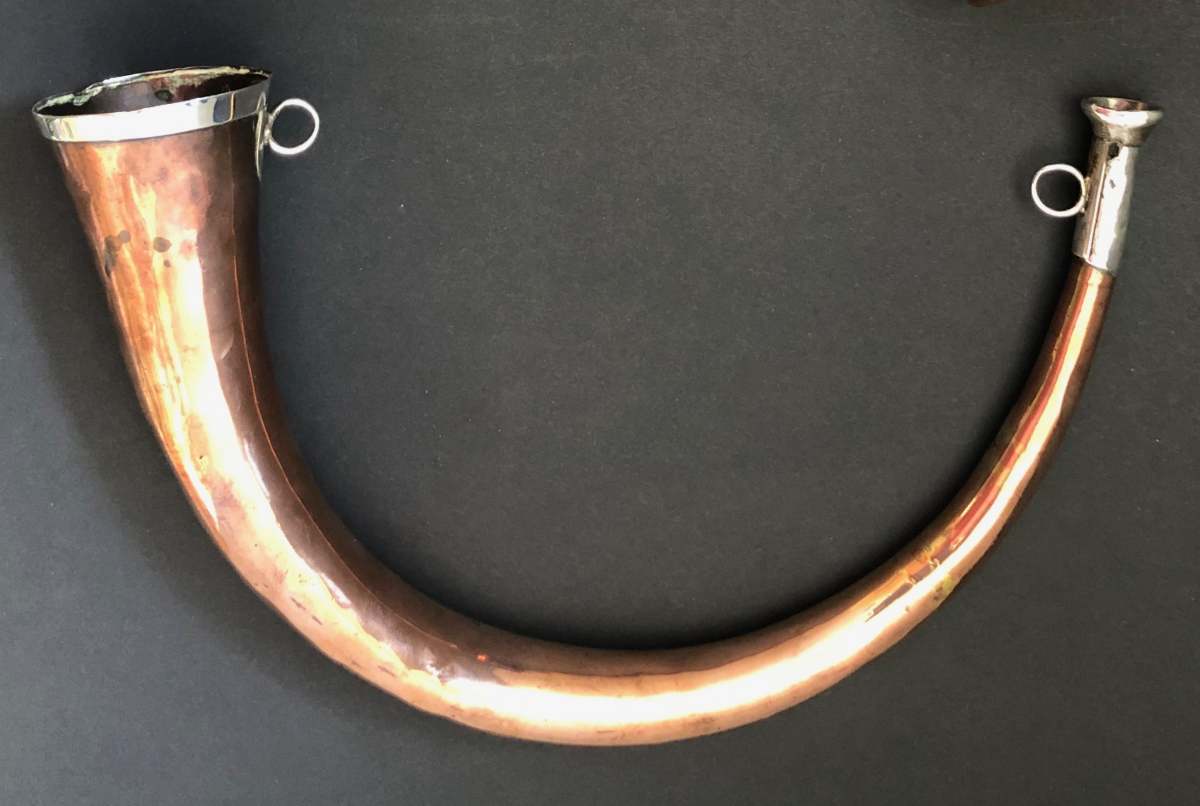
How to Blow the Hunting Horn
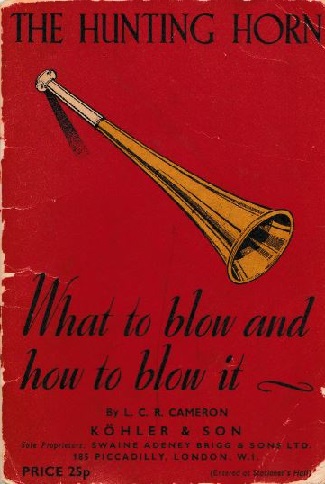
Surely, one of the thrills of the foxhunting field is the sound of the huntsman’s horn. When huntsman and hounds are out of sight, the horn keeps the knowledgeable foxhunter informed as to the progress of the hunt.
The Andean Fox and the Puma
The puma (mountain lion, cougar), fourth largest species in the cat family, typically weighing a hundred or more pounds, coexists with the only other top predator in the Andes, the Andean fox at nineteen pounds.
Many hunts in North America during my hunting lifetime—just fifty years…a brief period in the scheme of thing—have migrated by necessity from foxhunting to virtually all coyote hunting.
Many of these hunts, whether by the size and nature of their countries or their long foxhunting traditions, would prefer to continue hunting the fox as opposed to the coyote. Conventional wisdom suggests that because the coyote and the fox compete for the same diet, the coyote will kill the foxes upon arrival in his new country or drive the fox away. This is certainly true in many areas and has been noted with dismay. But can the coyote and the fox somehow coexist?
How to Blow the Hunting Horn
Surely, one of the thrills of the foxhunting field is the sound of the huntsman’s horn. When huntsman and hounds are out of sight, the horn keeps the knowledgeable foxhunter informed as to the progress of the hunt.
The Story of John Peel

One night in 1829, John Woodcock Graves sat in his parlor with John Peel, a farmer, horse dealer, and foxhunter whose hounds were highly celebrated by the local sheep farmers. From the adjoining room, Graves overheard his son’s granny singing an ancient Irish melody to the child. Graves took that old melody and wrote a new set of lyrics to honor his friend, John Peel.
“I sang it to poor Peel,” Graves wrote, “who smiled through a stream of tears which fell down his manly cheeks, and I well remember saying to him in a joking style, ‘By Jove, Peel, you’ll be sung when we’re both run to earth!’”
Forty years later, William Metcalfe, Choirmaster of Carlisle Cathedral, heard the song at a banquet. He set down the tune in musical notation for the first time together with Graves’ words, composed a piano accompaniment, and had it performed locally. He went on to London with his choir and on May 22, 1869 performed the song at the dinner of the Cumberland Benevolent Society from whence it spread quickly over the English-speaking world, propelling John Peel into the most famous foxhunter of all time.