
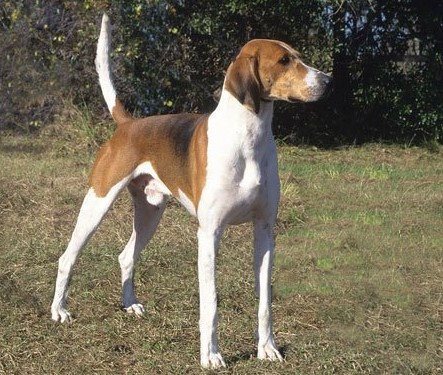
 American Foxhound
Dogs, wolf-like canids believed to be related to an extinct species of wolf, are known to have been with us for 15,000 to 35,000 years. Humans from Siberia who crossed the Bering Strait when still a land bridge more than 10,000 years ago are believed to have had dogs in their company. Those dogs perhaps even made the human migration possible by pulling sleds. These are thought to be the common primogenitors to all American dog breeds.
Another huge influence on American breeds, and substantially more recent, were those pets and working dogs brought to America by early explorers and colonists. Many of these immigrant dogs most likely bred with native American dogs, creating still more new types to be ultimately bred for special purposes and domesticated further.
Madison Troyer, in an August 17, 2020 article in the Courier (Waterloo, Iowa) relies on a Stacker report to identify fifty-five recognized dog breeds that are considered purely American. Of those, we find four breeds used for hunting the fox and coyote today in North America. Only two of the breeds are recognized by major breed registries, and whether the remaining two should be regarded as ‘breeds’ as opposed to ‘types’ is a separate question. Certainly the Penn-Marydel afficanados would argue that theirs is an incorporated breed and should be included.
American Foxhound
In 1650, Robert Brooke sailed from England to North America with his pack of hunting dogs. The Brooke bloodlines were carried forward for nearly 300 years by Brooke Family members and served as the root of several strains of American Hounds.
At the time of the American Revolution, George Washington received French Foxhounds, Grand Bleu de Gascogne, (which look much like an American Bluetick Coonhound) as a gift from the Marquis de Lafayette. Many of Washington’s foxhounds were descended from Brooke hounds, and when crossed with the French hounds, contributed to the bloodlines of the present day American Foxhound.
The American Foxhound is known to have originated in the states of Maryland and Virginia. It is the state dog of Virginia. The breed was developed by landed gentry purely for the sport of hunting foxes. With the importation from England (and migration from Canada) of the red fox, Irish foxhounds were added to the lines to increase speed and stamina, qualities still prevalent in today’s dogs. Over the years, refinements were made to the breed, and by the time of the Civil War, American foxhounds were a completely distinct breed from their English cousins.
The American Foxhound is particularly noted for its booming musical voice marking the line of the quarry. The breed was first recognized by the American Kennel Club in 1886. Today, there are many different strains of American Foxhound, including Walker, Calhoun, Goodman, Trigg, July, and Penn-Marydel. Though each strain looks and hunts somewhat differently, they are all recognized as American hounds and used to suit individual hunting styles.
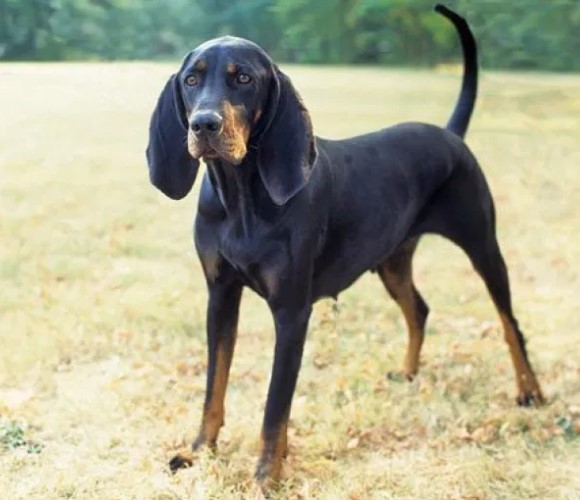 Black and Tan Virginia Foxhound
Black and Tan Virginia Foxhound
There is some argument about when exactly Black and Tan Virginia Foxhounds originated and whether or not they qualify as a unique breed. That being said, it’s nearly impossible to pinpoint a date of origin, although experts agree it was either in the late 1700s or early 1800s. The breed is not recognized by any major canine registry.
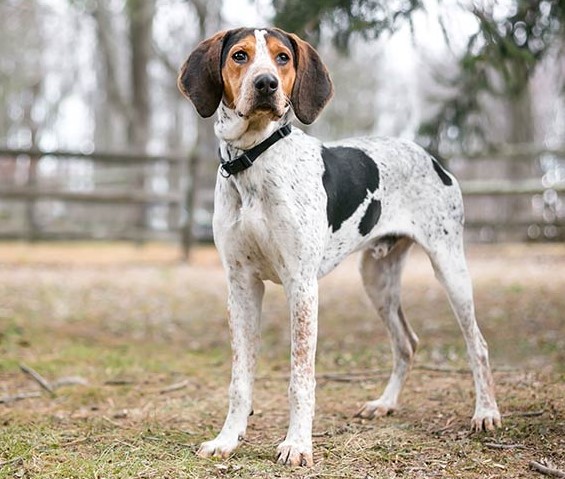 Treeing Walker Coonhound
Treeing Walker Coonhound
The Treeing Walker is a descendant of the English foxhound, Virginia foxhounds, and, most directly, the Walker foxhound type (named for Thomas Walker of Virginia). These hunting hounds, bred for their speed, voice, and innate ability, have existed since the nineteenth century, and have been recognized by the United Kennel Club since 1945. They hunt with a somewhat independent spirit, and are a favorite of the Red Rock Hounds in Reno, Nevada.
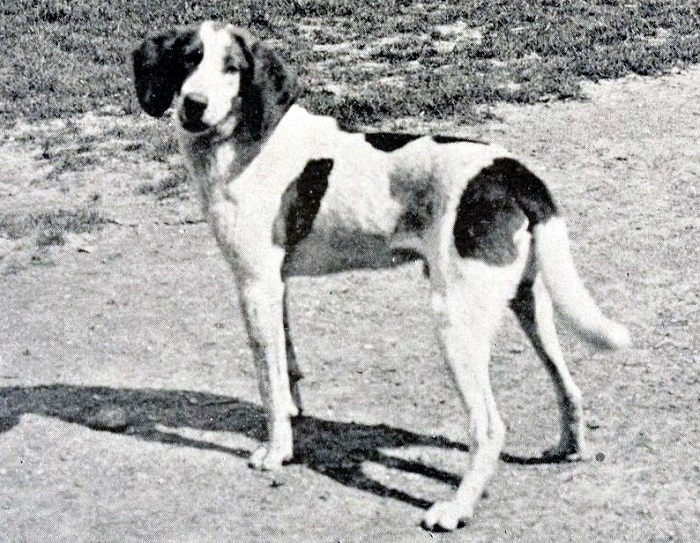 Trigg Hound
Trigg Hound
Developed in Kentucky in the 1800s specifically to chase and hunt the faster-running long-legged red fox, the Trigg hound is a blend of Irish, American, and English foxhounds. There are a handful of different strains, but the one developed by Col. Haiden C. Trigg tends to be the most popular thanks to their smaller size and friendly, eager to please nature. Trigg used bloodlines from the Birdsong, Maupin, and Walker lines to develop his strain. The Trigg is not recognized by any major canine registry, but many consider it a breed of its own.
Mentioned in the Stacker research is the July strain of hound, but unmentioned is the July hound’s latest incarnation—the Hardaway Foxhound. Developed by the late Ben Hardaway, MFH and huntsman of the Midland Fox Hounds (GA), it may take a century, but the Hardaway Foxhound must someday be recognized as a new breed of American foxhound as well.
Posted August 19, 2020